Springs · Port Colborne
Garage Door Roller Replacement
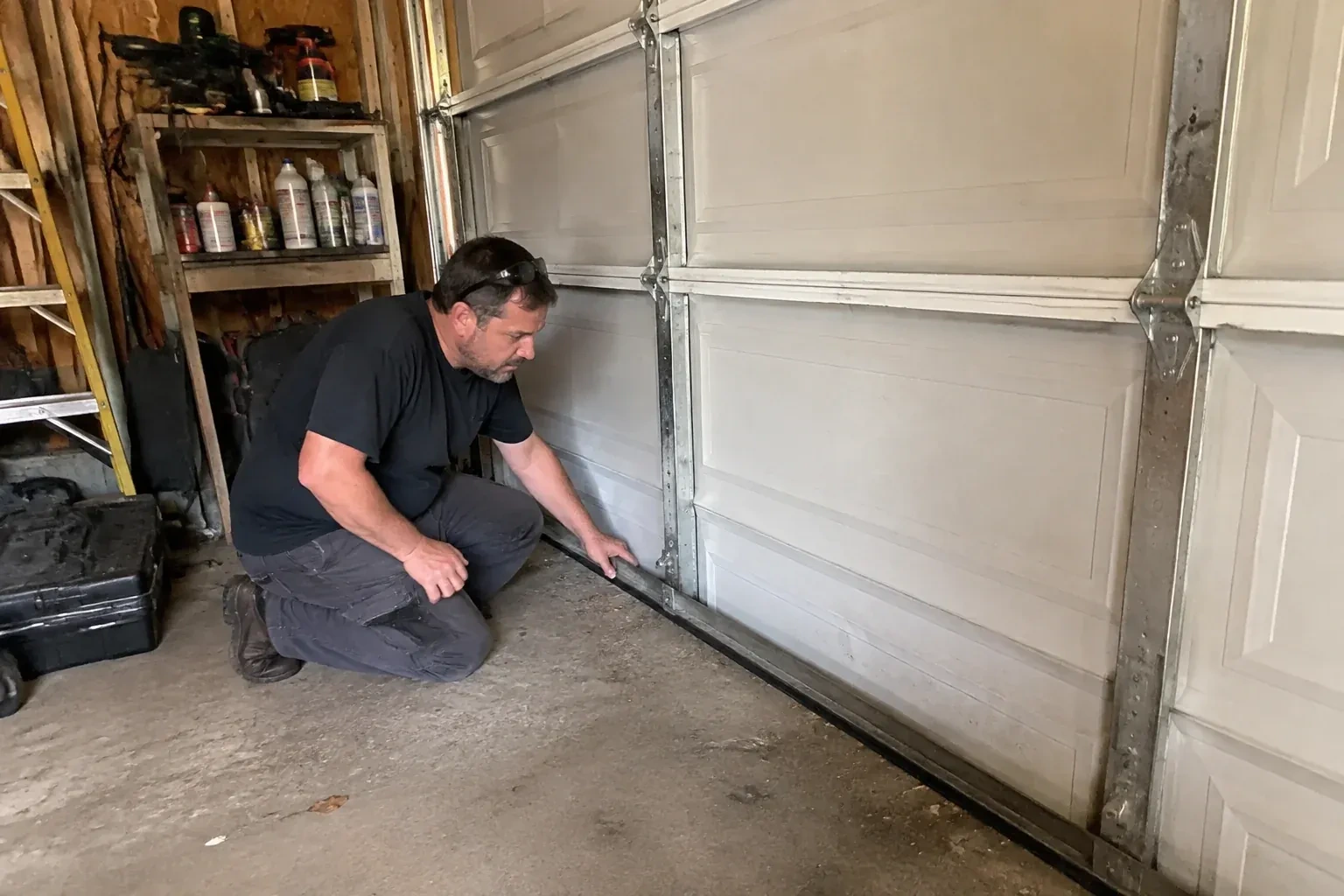
Since the cold snap the door has been stiff and noisy first thing, and after the last thaw the bottom corner began to judder. There is slush in the foot of the track and a bloom of rust on the lowest wheel.
Garage Door Roller Replacement
In plain words
Winter is hard on rollers. Slush carried in on the tires freezes in the foot of the track, wheels skid across the ice instead of turning and wear flat spots, and salt eats into steel stems and bearings at the lowest positions first. By spring a door that was merely a little noisy is juddering. Roller replacement after a hard season puts fresh wheels and bearings under the door, and the technician clears the salt from the lower track and inspects the bottom brackets and cables that share the same wet corner, so the door heads into the next winter in better shape.
How the visit goesA roller near the top corner is riding on the lip of the track rather than inside it, and the section above leans back a little more each week. The door still moves, but it looks one bump away from coming out altogether.
Port Colborne
How the visit goes
Listening to a full cycle
The assessment begins with the door in motion. The technician runs it up and down on the opener, then releases the opener and moves it by hand, because a hand on the door feels what an ear alone misses: a catch at one height, a wheel that drags rather than turns, a section that rocks as it rounds the curve into the horizontal track. Where the sound or shake happens narrows the search. Trouble at the curve usually points to worn or oval wheels, a rhythmic click travelling with the door points to a failed bearing, and a shudder near the floor often traces to the lowest rollers and whatever the winter left in that end of the track.
Running it in and testing
The opener is reconnected and the door is run through several full cycles while the technician watches each wheel stay seated in its track and listens for anything left over. Balance is rechecked with the opener released. Then the opener's settings are confirmed: the force limits, which may need reducing now that the door moves so freely, and the reversal, tested against a 1-1/2 inch block laid on the floor in the door's path exactly as the industry checklist describes. Only when the door travels smoothly, seals at the top and reverses on contact is the job called finished.
Looking after nylon rollers
Modern nylon rollers ask for very little. Twice a year, glance along each track with the door closed for a wheel that sits crooked, a cracked tire or a stem that has begun to wobble. Give the hinge knuckles a short burst of garage door lubricant once or twice a year, and leave the wheels and track dry; lubricate bearings only if the roller's maker calls for it, since some are sealed or built to run without added grease. Keep the bottom of each track swept clear of leaves, grit and, in winter, slush. Rollers with sealed bearings need even less, since the seal keeps dirt and moisture away from the balls; a wipe and a look is enough.
Garage Door Roller Replacement
In the van
- Jamb bracket fasteners
- Sealed-bearing nylon rollers
- Bottom brackets
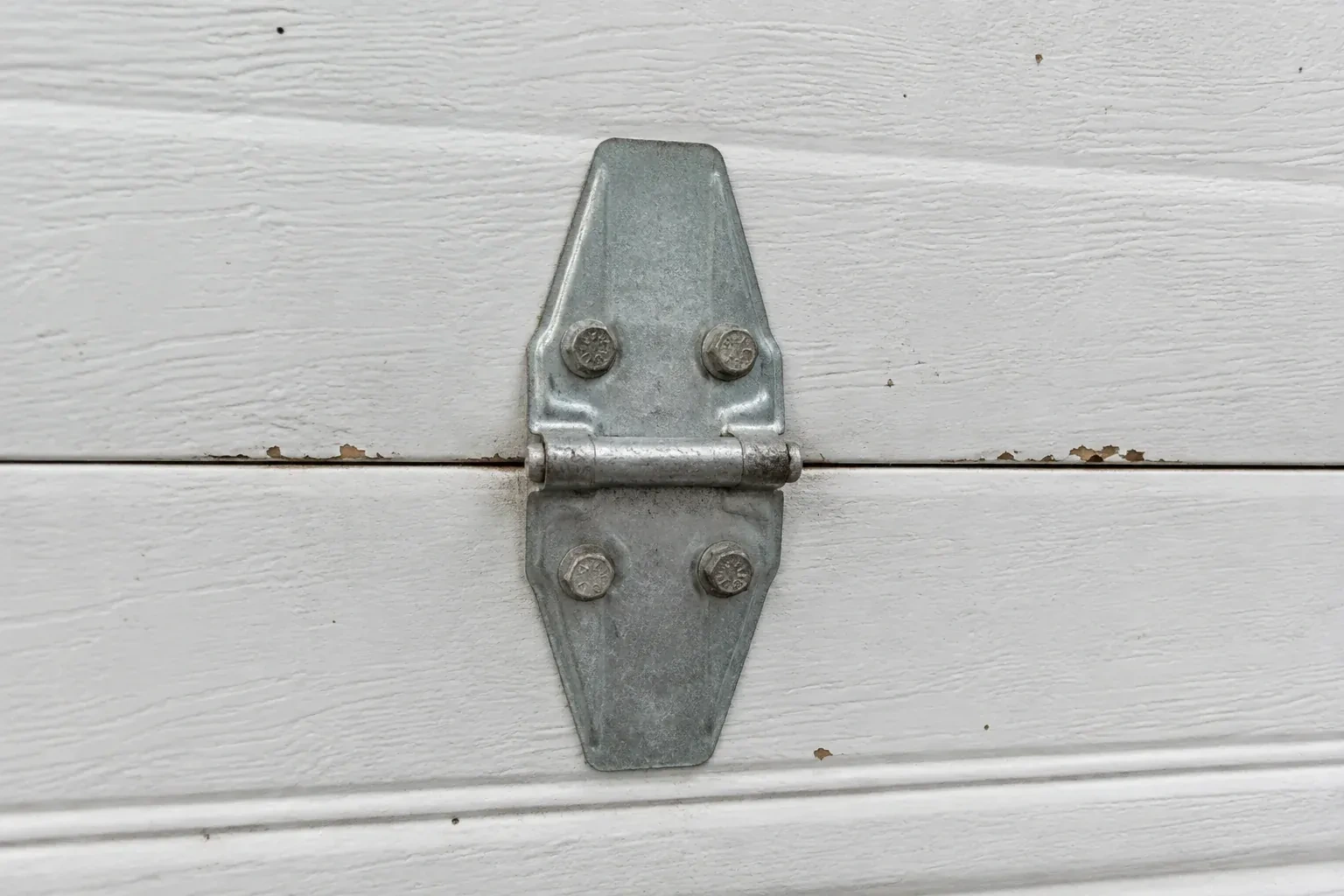
- Replacement numbered hinges
- Garage door lubricant
What affects the quote
Same fees day, night or weekend
1Roller type chosen
Plain steel, nylon with ten to thirteen bearings and sealed-bearing nylon sit at different points on the parts list. The technician explains what each offers for your door before you choose.
2Combining with spring or cable work
If springs or cables are being replaced in the same visit, the door is secured once and the roller set is added to that job, which is often more economical than a separate call.
3Number of sections and rollers
A four-section door carries ten rollers and a five-section door twelve; taller doors with more sections, or doors fitted with extra rollers at the top, add to the set, and the quote follows the count.
Garage Door Roller Replacement: questions
How many ball bearings should a roller have?
More bearings spread the door's weight over more contact points, but count alone does not decide how smoothly, quietly or long a roller runs; the complete design matters more. Budget rollers carry six or seven, better residential rollers ten to thirteen, and premium rollers use a sealed cartridge with a dust and moisture seal. For an ordinary residential door, a nylon roller with ten or more bearings is a sound choice; for a damp or salty garage, or a door used constantly, sealed bearings are worth asking about.
Will new rollers make my door quieter?
Usually, and often dramatically. Rollers are the only part of the door that touches the track, so most of a door's clatter starts there. Moving from worn steel or bare plastic wheels to nylon ball-bearing rollers changes the sound more than any other single part. The rest of the quiet comes from the same visit: hinges lubricated, loose bolts tightened, the track squared so nothing rubs. Springs can still squeak on their own, and the technician can treat those separately.
Should I replace rollers when the springs are replaced?
It is a common and sensible pairing. Rollers and springs are the two most frequently replaced parts on a door and wear on similar timelines, so a door that has used up its springs has usually worn its rollers too. Doing both in one visit means the door is secured and the opener disconnected once, and the bottom brackets, which are handled for spring work anyway, receive new rollers while they are accessible. Ask for the rollers to be checked whenever spring work is booked.
Springs & Hardware
- Garage Door Track Repair or ReplacementAfter a decade of slushy winters the bottom foot of the track is flaking rust.
- Garage Door Cable ReplacementThe door went up as usual this morning, then stopped a third of the way with one corner higher than…
- Torsion Spring ReplacementThe door starts to rise, gets about the height of your knee, then shudders and reverses.
Garage Door Roller Replacement near you
If your door in Port Colborne is doing something new, there is a service here for it. Grinding usually points to rollers or hinges. A door that will not lift points to a spring or cable. A door that reverses on its own points to sensors or force settings. We diagnose first, then repair.